Too dependent on one big customer
When one customer is most of your income, they shape your prices and plans. What research shows about customer dependence, with case studies.
What is usually going on
A large customer can bring steady volume and lower selling costs. But as their share grows, so does their say over price, terms and timing—and your alternatives narrow.
Read with the book
Chapter 6 (the Holdup Trap). The Founder’s Trap →
What the research says
Together: customer dependence is not automatically good or bad—context and how it is managed matter.
More studies, with their limits, are on the Research & Evidence page.
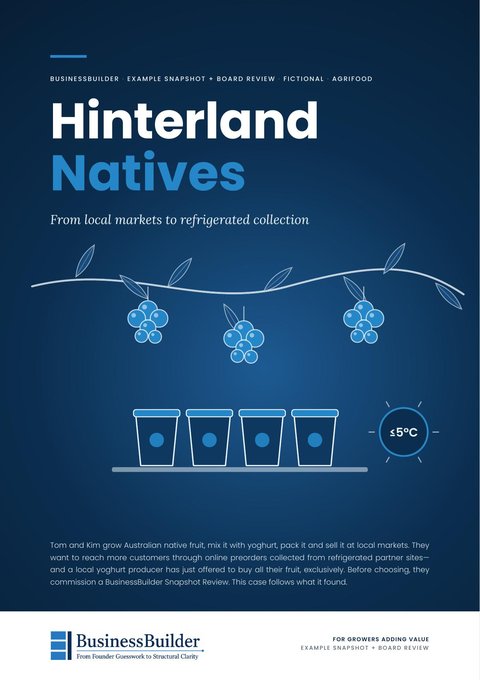
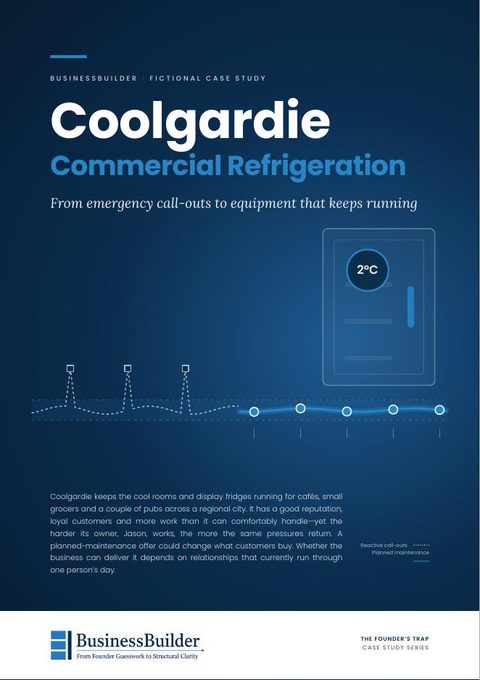
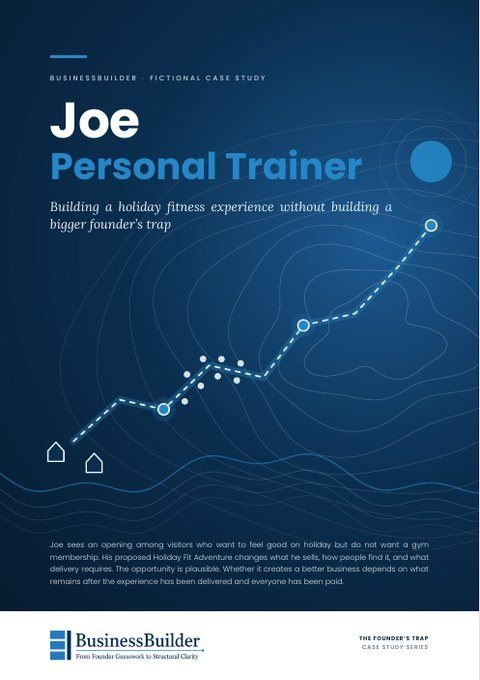
Cases to read
Your next step
If this sounds like your business, a Snapshot Review (A$249, including the book) provides an independent view of how your business fits together, where pressure is concentrated, and what to test first. It is delivered within two business days of receiving your Intake Form.
General information and educational insight only; not financial, legal, tax, strategic or professional advice.